

· OWON Technology · Senior Care · 13 min read
AI Behavior Trajectory Monitoring for Seniors Living Alone
Case N014 shows how PIR, door and bed-presence sensors catch a 1h41m bathroom stay, a missed morning routine and fragile sleep — before they become emergencies.
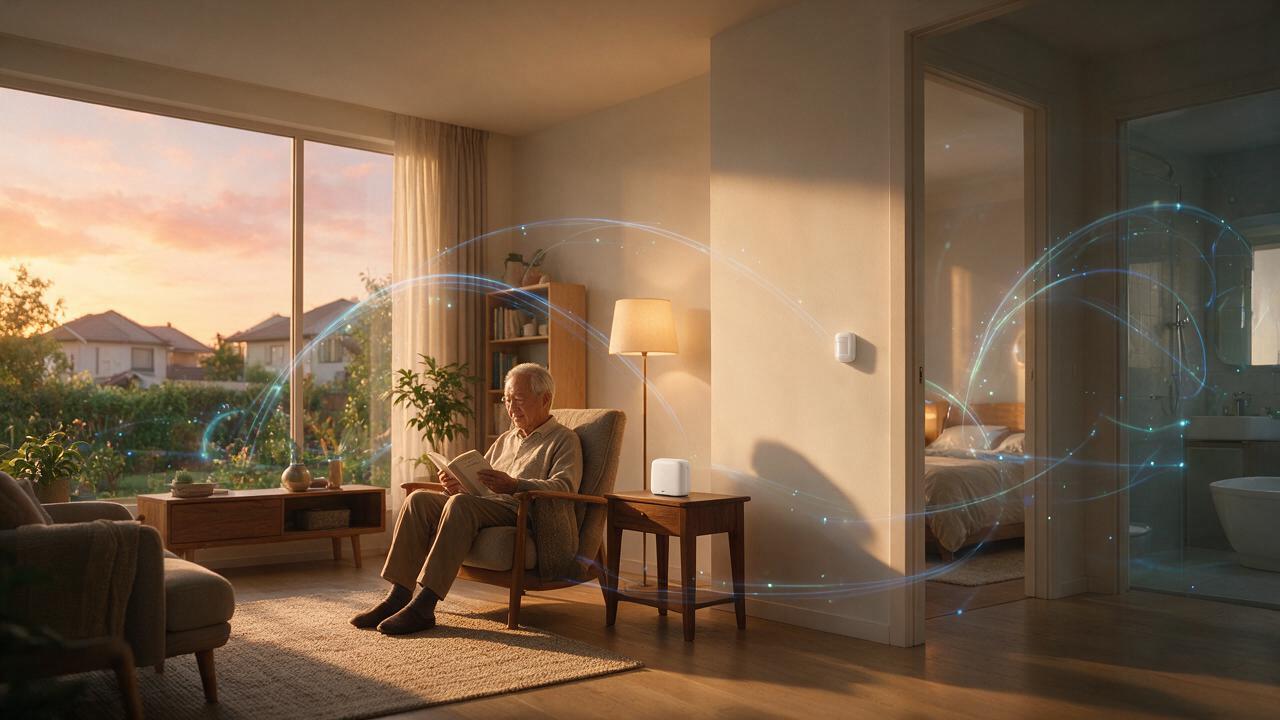
From “passive response” to “proactive care” — a new paradigm for smart senior care.
The Challenge of Caring for Seniors Who Live Alone
In a deeply aging society, the safety and health of seniors living alone have become a core concern for families and society as a whole. Traditional approaches have clear limitations: with a one-touch call button, an elderly person who falls or loses consciousness cannot actively ask for help; camera-based monitoring raises privacy concerns and psychological resistance.
Insights from a real OWON deployment (Case N014) show that emergencies often hide in subtle changes to daily routines:
- Abnormal bathroom stay — 1 hour 41 minutes
- Disrupted daily rhythm — no kitchen activity, zero fridge openings all morning
- Fragile sleep — 37 in-bed position changes during the midday rest
ALERT 01
Abnormal bathroom stay
1 hour 41 minutes
Possible fall, sudden illness or severe constipation — the system alerted the family in real time.
ALERT 02
Disrupted daily rhythm
Zero kitchen activity
No kitchen movement and no fridge openings all morning — the senior may not have gotten up normally.
ALERT 03
Fragile sleep
37 position changes
In-bed position changes during the midday rest — abnormally shallow sleep that needs attention.
Real case file · No. N014 · Deployed October 3, 2025. All data in this article comes from real deployments and can be verified against the original reports through OWON customer service.
On-Site Installation
The kit installs in minutes — no wiring, no cameras:
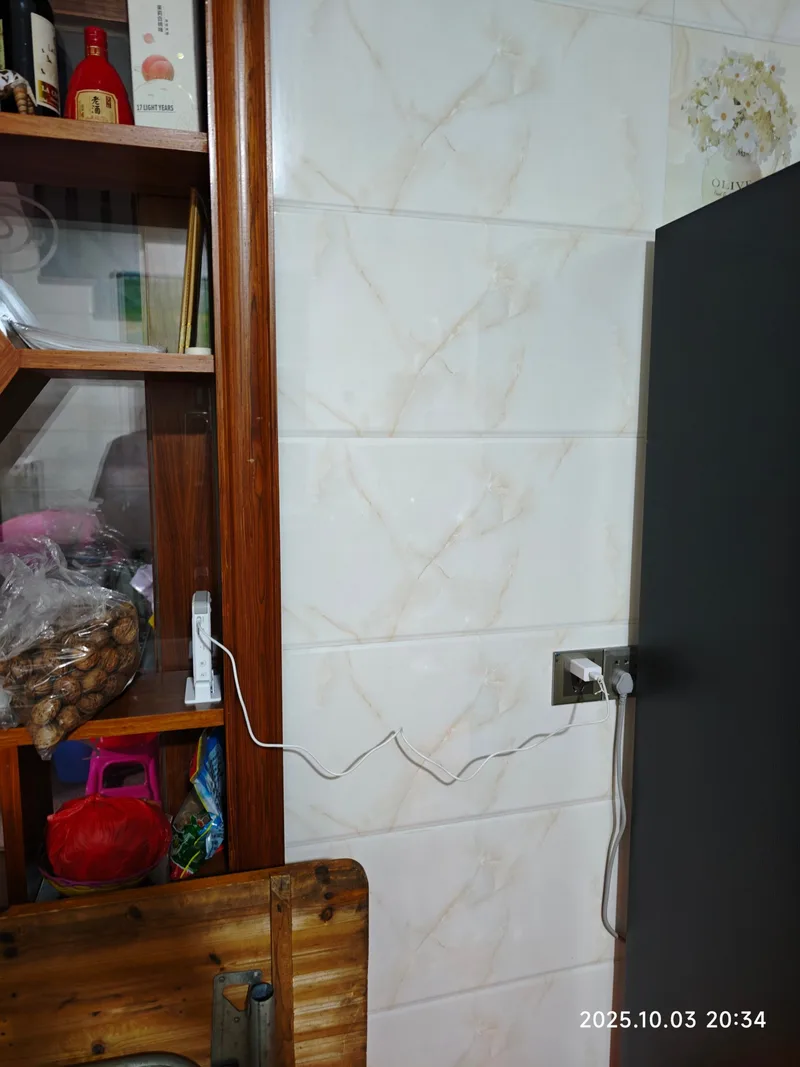
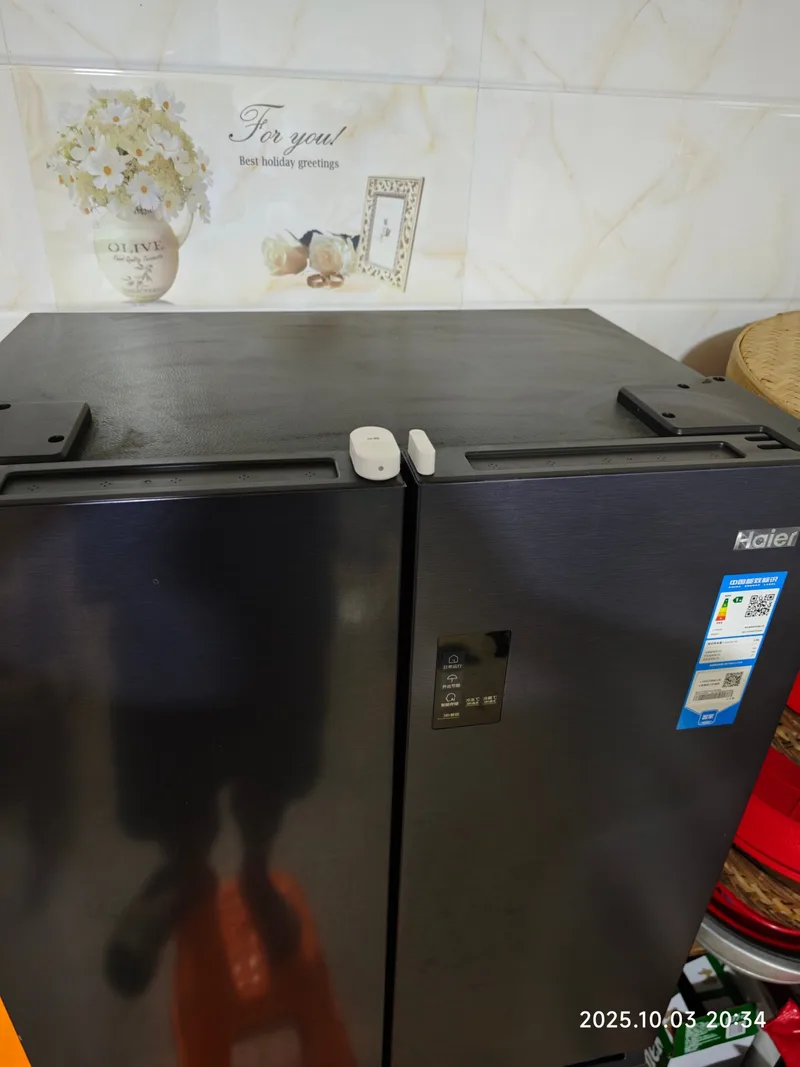
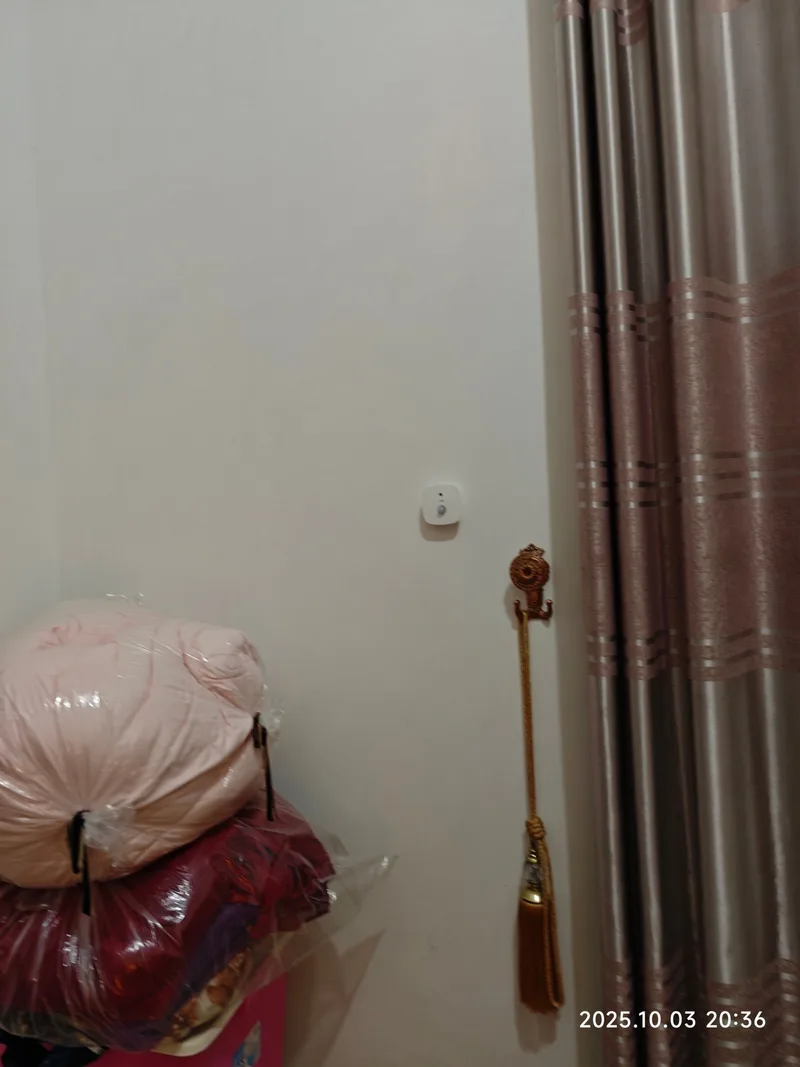
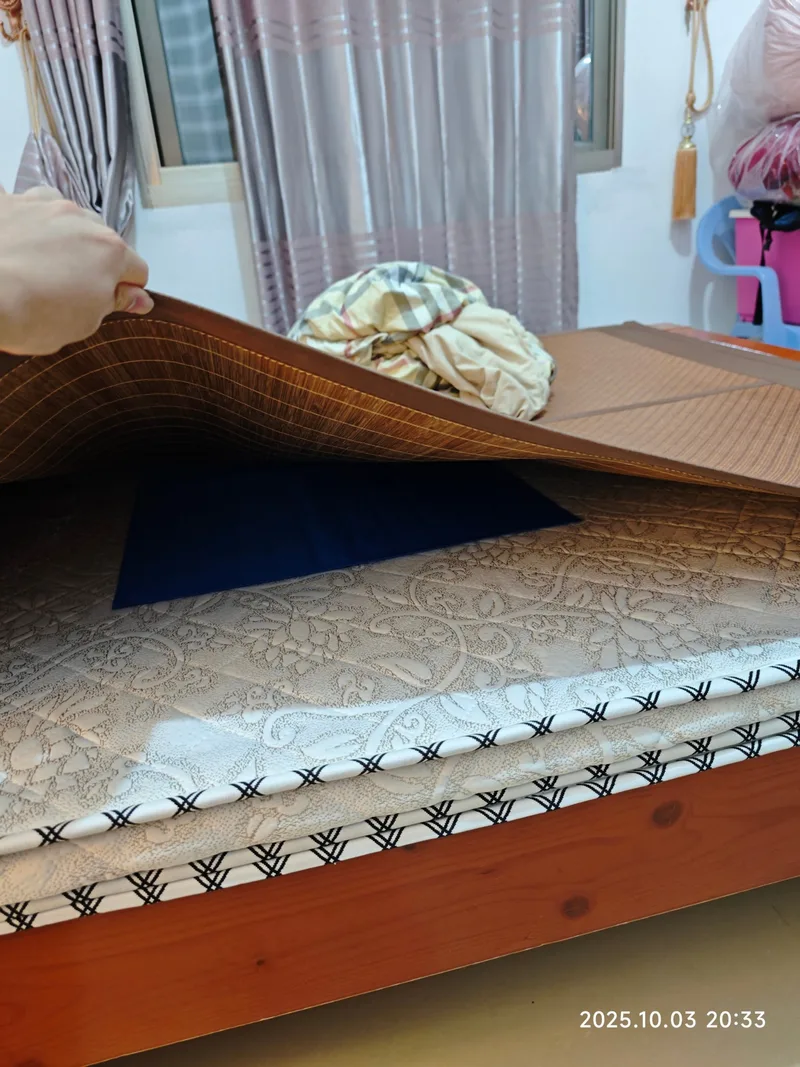
The complete trajectory report — including 5-minute trajectory data, PIR trigger seconds, and night-wake timestamps — is available on request from OWON customer service.
Whole-House Behavior Trajectory Tracking
The system automatically generates a daily activity trajectory chart, recording how long the resident stays in each zone and their activity patterns.
Activity by Zone — 55 movements in one day
| Zone | Movements | Total Time |
|---|---|---|
| Main door | 20 | 4h37m |
| Bedroom | 6 | 11h11m |
| Living room | 4 | 0h07m |
| Kitchen | 14 | 5h19m |
| Bathroom | 11 | 2h43m |
The Solution: A Non-Intrusive, Predictive Monitoring Kit
What we provide is not just a collection of sensors, but an AI system that autonomously understands elderly behavior patterns.
- Independent 4G communication — ZigBee 3.0 + 4G-CAT1, no home broadband required; install-and-use, ideal for retrofitting older communities
- No cameras, full privacy — no cameras at all; every device battery-powered (1-year battery life), no wiring, nothing for the senior to operate
- Long-cycle data plan — optional 8-year data plan (100 MB/month), eliminating network maintenance worries
- AI self-learning — automatically builds a life baseline: daily and periodic movement patterns, durations and counts, with real-time alerts on abnormal fluctuations
Same PIR + Door Sensors, Completely Different Data Quality
Many competing products also use PIR + door sensors — but the communication method determines the fundamental difference in data granularity.
NB-IoT
- •Device sleeps to save power — reports hourly or daily
- •Downlink only 26 kbps — status-only
- •Latency up to 10 seconds
- •Designed for smart meters — not senior care
ZigBee + 4G-CAT1
- •ZigBee local mesh — millisecond response, real-time upload
- •4G-CAT1 downlink 10 Mbps · uplink 5 Mbps
- •1 hour heartbeat keeps devices online
- •Every PIR trigger reported — no movement is missed
The core value: when the senior enters the bathroom at 14:38, the system tracks second by second and records the exit at 16:19 — that is what real “behavior trajectory monitoring” means.
Technology Choice: Millimeter-Wave Radar vs. a Distributed Sensor Network
Millimeter-wave radar has genuine advantages in fall detection, but deploying it across a real home brings practical challenges.
Millimeter-wave radar
- •One unit covers about 24 m² — a whole house needs one per room
- •Multi-point deployment = equipment cost ×N, installation ×N, power ×N
- •Power draw >5 W — needs wiring, wall mounting and an electrician
- •Multi-radar interference — adjacent units share the 60 GHz band, causing false alarms and missed detections
- •Cannot see through walls — signal lost behind a wall; cross-room trajectory is physically impossible
- •Mainstream use is single-room monitoring — no continuous whole-house trajectory
Distributed sensor network
- •1 gateway + multiple micro sensors covering every zone in the home
- •Sensors run 1 year on battery — no wiring, no sockets
- •Monitors bathroom stays and behavior trajectories, not just single events
- •Data this precise: when they got up, when they went out, how long in the bathroom, where they were every minute
The AI Behavior Trajectory Monitoring Kit
One kit, whole-house coverage. Every sensor is battery-powered — no wiring, install and use.
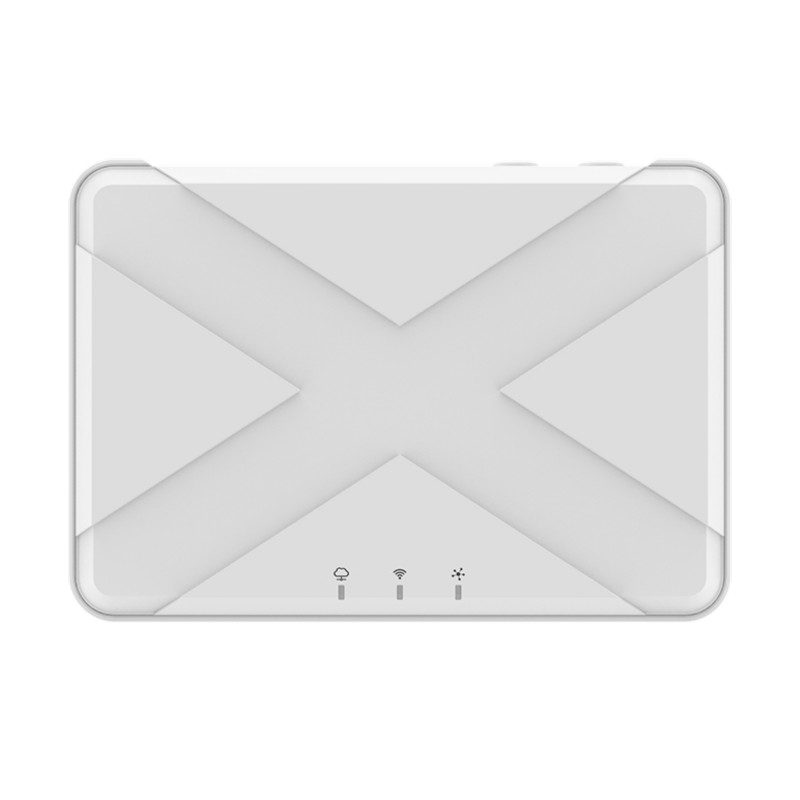
SEG-X6
4G Smart Gateway
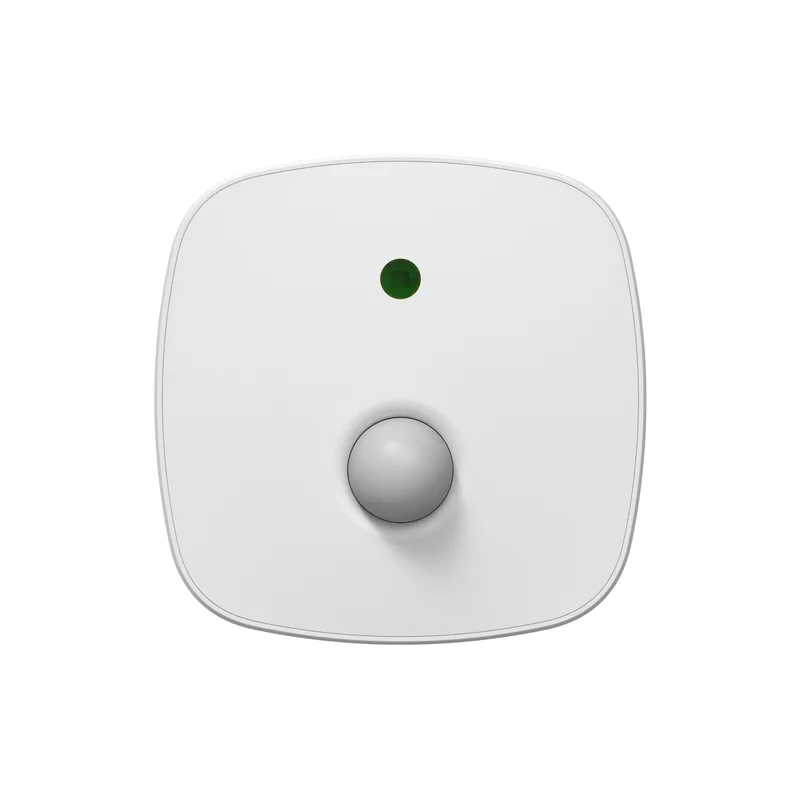
PIR313-E
Multi-Function Sensor
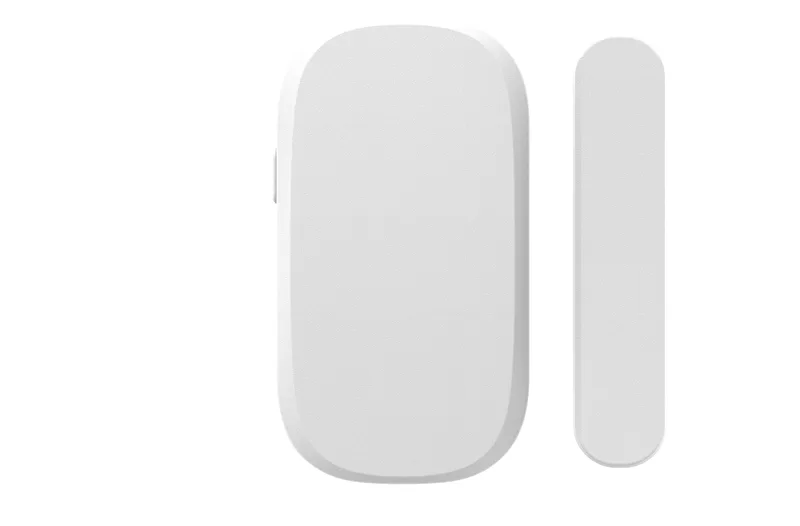
DWS332-Z
Door Sensor
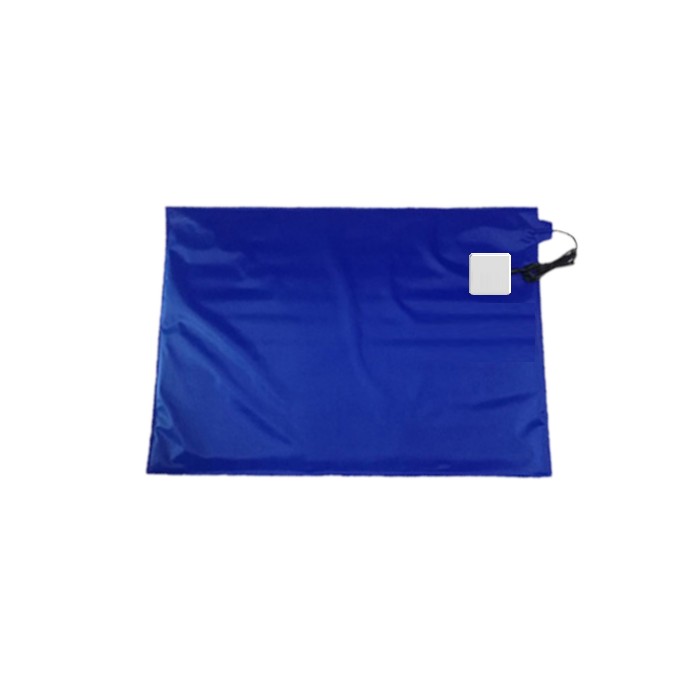
SPM915-Z
Bed Presence Pad
| Device | Model | Key Specs |
|---|---|---|
| 4G Smart Gateway | SEG-X6 | 4G-CAT1 · ZigBee 3.0; OTA updates, buzzer alerts, 220V powered |
| Multi-Function Sensor | PIR313-E | Motion detection, light-level monitoring, temperature & humidity; 2×AA, 1-year battery |
| Door Sensor | DWS332-Z | Dual-side open detection, night door-open alerts, tamper alarm; CR2450, 1-year battery |
| Bed Presence Pad | SPM915-Z | In-bed / out-of-bed monitoring, 500×700 mm, waterproof and moisture-proof; 2×AAA, 1-year battery |
Included in the kit: gateway ×1 · multi-function sensor ×3 · door sensor ×4 · bed presence pad ×1 — browse our senior care devices for more options.
Designed to Evolve
The kit is not fixed. Depending on care needs, hardware modules can be swapped or upgraded flexibly:
Sleep monitoring upgrade (mmWave radar) — replaces the bed presence pad with contactless monitoring; tracks respiratory rate and heart rate in real time; auto-generates sleep quality analysis reports; screens for apnea and abnormal heart rate
Precise monitoring for key zones — can replace the bathroom PIR; >95% accuracy with a false-alarm rate of only once per 3 months; warns on prolonged stillness (automatic alert when the bathroom stay is too long); monitors vital signs and auto-detects leaving bed or prolonged inactivity; contactless and privacy-free, completely unnoticed by the senior
Auto-shuttering privacy camera (optional) — an on-demand visual verification module. The lens is physically shuttered by default, 100% of the time, so there is no continuous video capture and no privacy concern. When an abnormal event is flagged (bathroom timeout, night-time fall), the shutter opens only for that moment and the AI visually verifies the key zone, then closes again. This adds visual confirmation on top of trajectory data for the rare moments that need it — without ever running a camera inside the home
Flexible combinations, configured on demand: the base kit already covers whole-house behavior trajectory. For finer vital-sign monitoring, upgrade with a sleep radar or fall-detection radar module; for on-demand visual verification, add an auto-shuttering privacy camera. The same gateway, the same platform — scale as needed. That is the value of modular design.
Turning Worry into Peace of Mind
Let protection move from “knowing after the fact” to “preventing in advance”. With the warmth of technology, we bridge the distance of time and space, and protect every senior’s dignity and a safe later life. No matter how far away you are, love stays online — install an invisible safety net for your parents, and turn constant worry into peace of mind.
See how the same technology protects residents in a five-star nursing home, or explore our senior care monitoring solution. Want to request a sample trajectory report? Contact our team.
Frequently Asked Questions
How does AI behavior trajectory monitoring work?
The kit combines PIR motion sensors, door sensors and a bed presence pad, all connected through a local ZigBee mesh to a 4G gateway. The AI system first builds a baseline of the senior's daily routine, then tracks every movement second by second — where they are, for how long, and when the pattern breaks.
Does the monitoring system use cameras?
No. There are no cameras at all. Every device is battery-powered and contactless, which protects privacy and avoids the psychological resistance many seniors feel toward camera monitoring. An optional auto-shuttering privacy camera module exists for on-demand verification — the lens stays physically shuttered 100% of the time and opens only for a moment when an abnormal event is flagged.
Do multiple millimeter-wave radar units interfere with each other?
Yes. Multiple mmWave units in adjacent rooms share the same 60 GHz band, so they interfere with one another and cause false alarms and missed detections. This is one reason whole-house radar deployment is impractical — the distributed PIR + door sensor + bed presence pad network has no such interference problem.
Can millimeter-wave radar track the senior through walls?
No. Millimeter-wave radar cannot see through walls, so each room needs its own unit and the signal is lost the moment the senior walks behind a wall. Cross-room trajectory tracking is physically impossible with radar alone — which is exactly what the OWON whole-house behavior trajectory solution delivers.
Can it be installed without home broadband?
Yes. The gateway uses independent 4G-CAT1 cellular communication with ZigBee 3.0 local networking, so no home broadband or Wi-Fi is required — ideal for older buildings and rural homes. An optional 8-year data plan (100 MB/month) covers network costs.
How long do the sensor batteries last?
Around 1 year. The multi-function sensor runs on 2×AA batteries, the door sensor on a CR2450, and the bed presence pad on 2×AAA batteries. Only the gateway needs 220V power.
What happens when an abnormal stay is detected?
The AI system flags the anomaly in real time and alerts the family — for example a 1h41m bathroom stay (possible fall, sudden illness or severe constipation), a missed morning routine, or abnormally fragmented sleep. Full trajectory reports, including 5-minute traces, PIR trigger seconds and night-wake timestamps, are available from OWON customer service.
How is this different from millimeter-wave radar systems?
A millimeter-wave radar unit covers about 24 m² and needs wiring, wall mounting and continuous power — whole-house coverage multiplies cost and installation effort. The distributed PIR + door sensor + bed presence pad network covers the whole home battery-powered at 1/3 to 1/2 the deployment cost, and it monitors behavior trajectories across rooms rather than a single room. Radar modules can still be added later in key areas through the same gateway and platform.
Can the kit be upgraded later?
Yes — it is modular. The same gateway and platform support optional sleep radar or fall-detection radar modules for vital-sign monitoring (respiratory rate, heart rate, sleep quality analysis), so the system scales as care needs change.