
· OWON Technology · Thermostats · 4 min read
Remote Sensors for 24VAC Thermostats: 16, 9, 6 or None
How many sensors each thermostat accepts, which sensor type each one needs, and what a sensor can and cannot fix. Includes the 915 MHz warning.
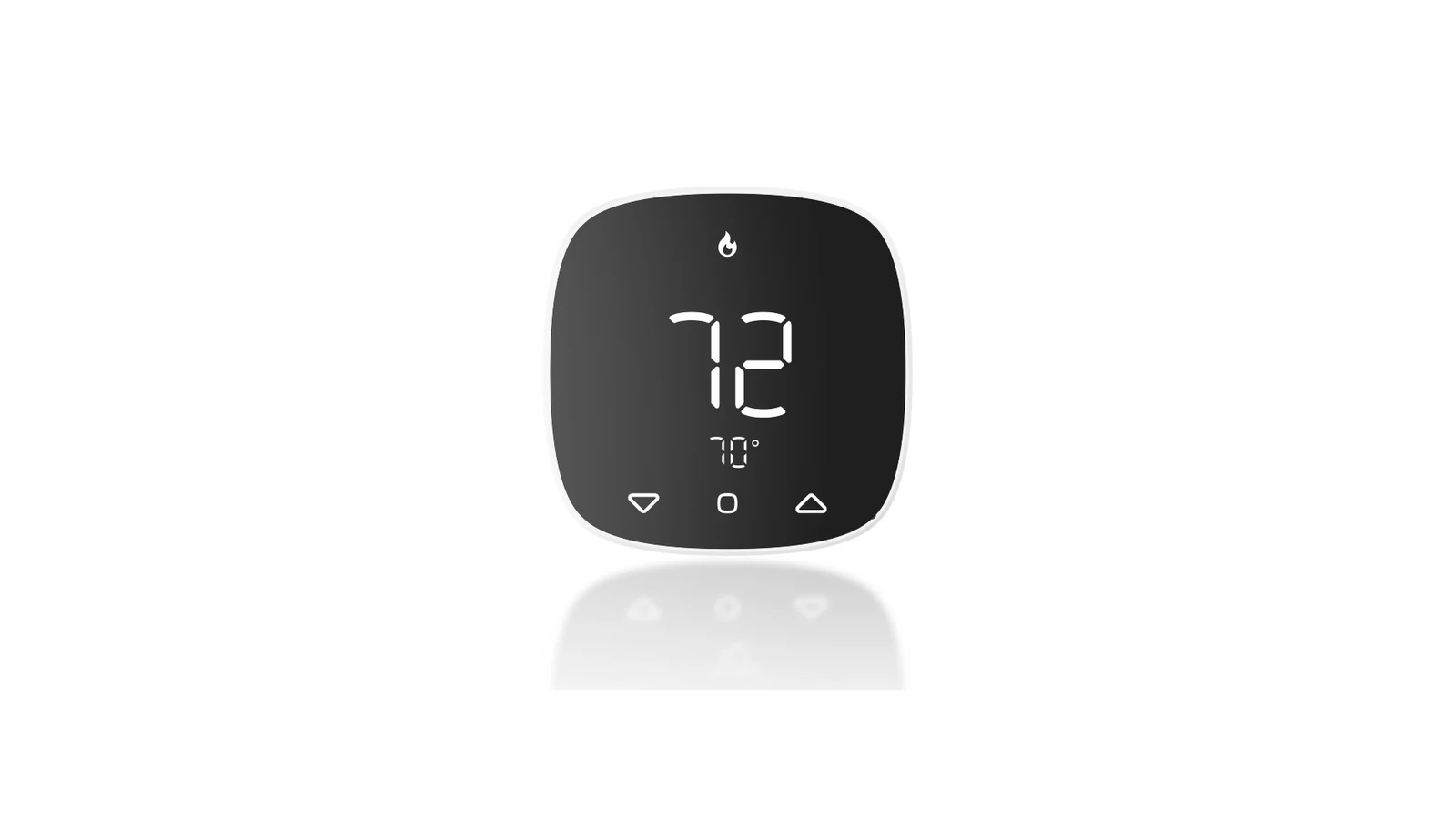
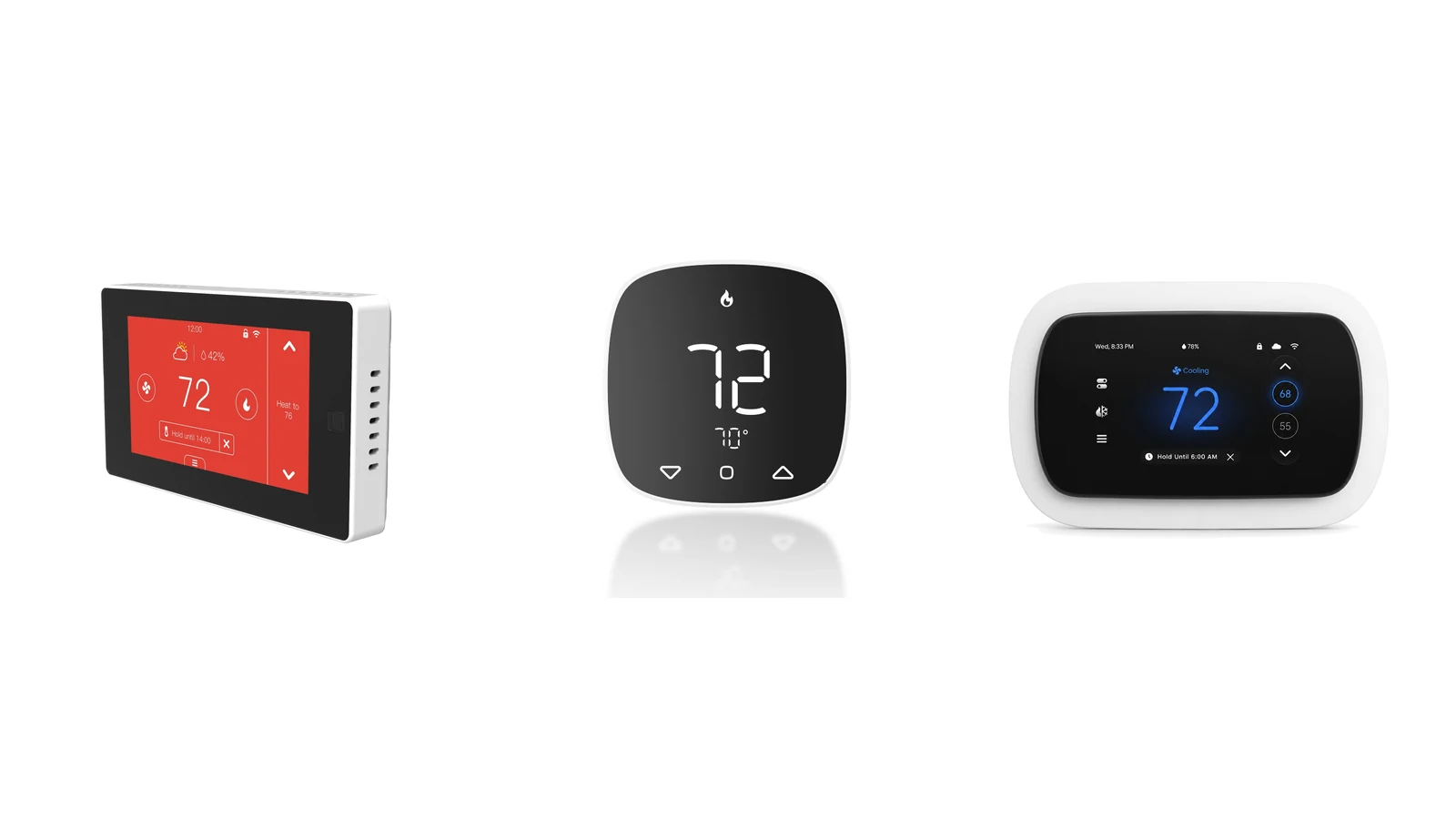
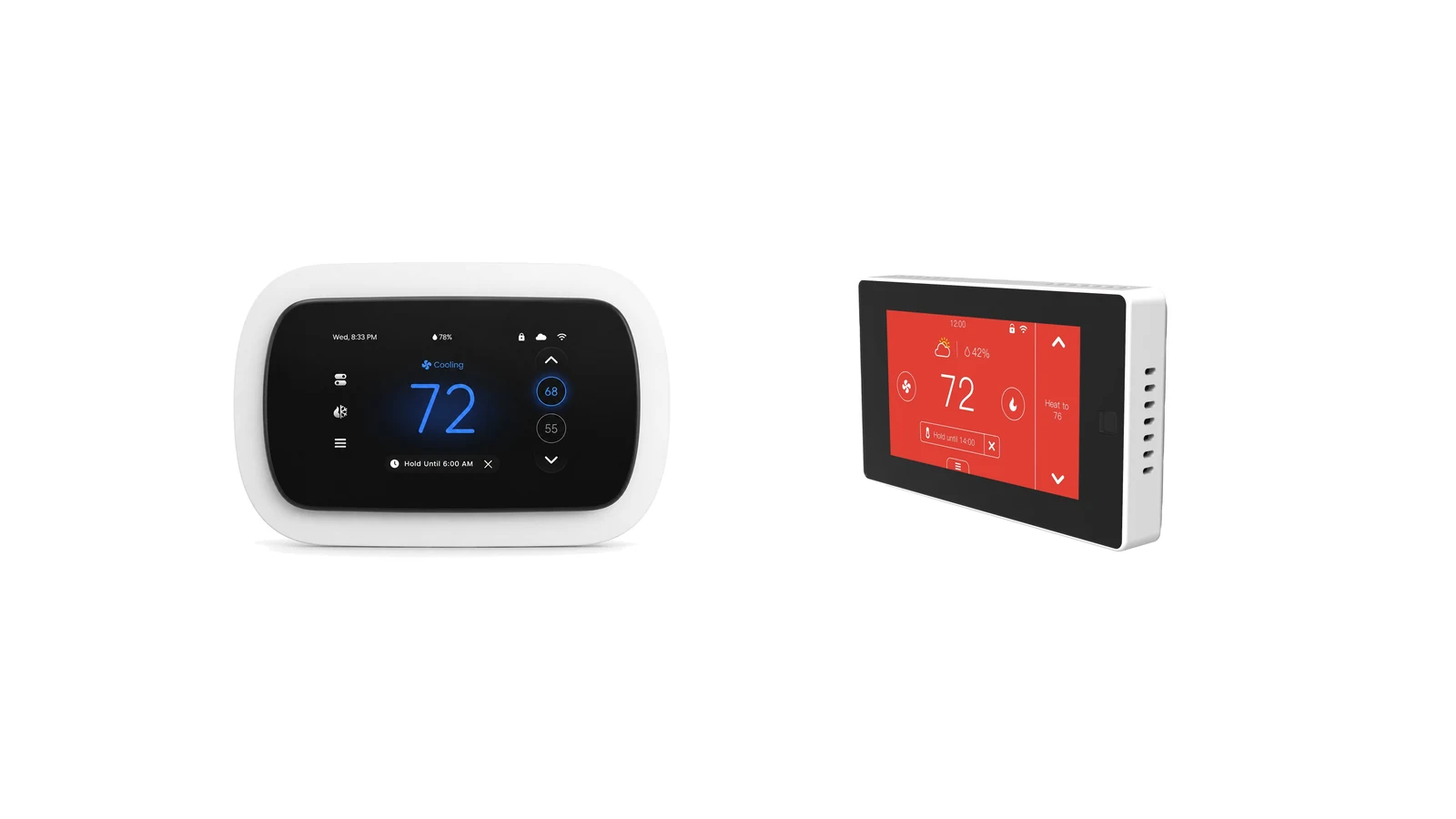
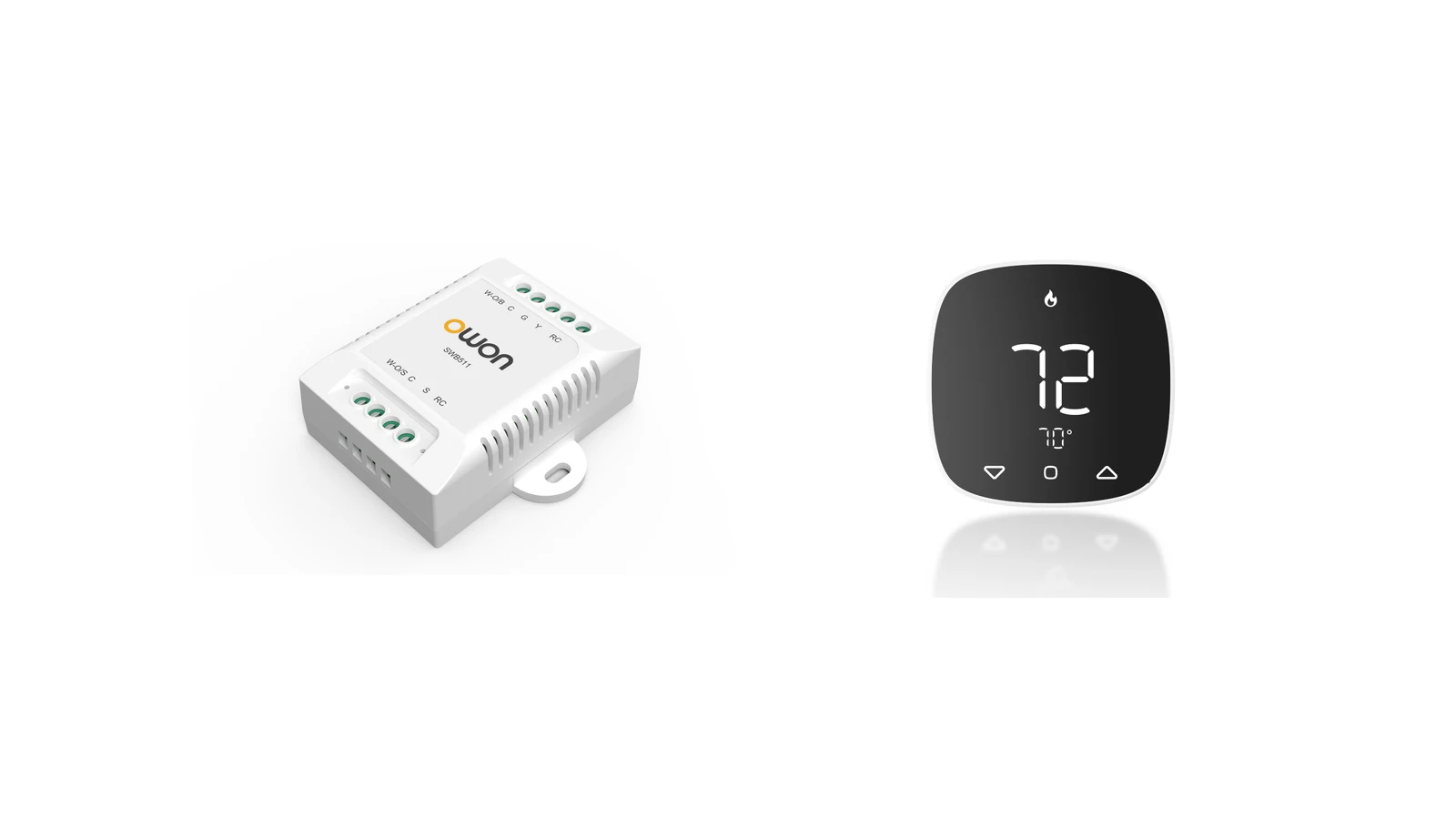
The PCT513 accepts up to 16 remote sensors, the PCT5231-W-TY up to 9, the PCT533-W-TY up to 6, and the PCT533C-W-TY none. The number matters less than the next question: which kind of sensor each model expects. They are not interchangeable.
How many, and which kind
| Model | Max sensors | Sensor must provide | Occupancy |
|---|---|---|---|
| PCT513 | 16 | PIR + temperature | Built into the thermostat, 3 m / 70° |
| PCT5231 | 9 | Occupancy + temperature + humidity | Radar, optional |
| PCT533 | 6 | Temperature + humidity | Radar, standard |
| PCT533C | 0 | - | None |
The sensor limit is in the firmware. It is not an unlockable feature, so the number does not change after purchase - decide before ordering.
What a sensor actually changes
A thermostat controls the whole house from one point on one wall. Its reading is the temperature of that spot, which may be a hallway that is never too cold and never too warm while the bedroom above it is neither.
A remote sensor moves the reference. With several sensors, the thermostat can work from the average of the rooms that recently detected motion, or from a single room you select. The heating then runs until that room reaches target, rather than until the hallway does.
What a sensor cannot do is create zoning. It is one thermostat driving one set of equipment. If a room loses heat faster than the system can deliver it, a sensor will make the rest of the house warmer while that room stays cold. Sensors redistribute where the system aims; they do not add capacity, and they do not fix duct imbalance.
Why the sensor types differ
The four thermostats were built at different times around different sensors, which is why the requirement changes:
- PCT513 expects a sensor with PIR and temperature. Its own occupancy sensor sits in the thermostat body, and the remote sensors add room-level temperature plus motion.
- PCT5231 expects occupancy, temperature and humidity from the sensor, because occupancy sensing is optional on the thermostat itself.
- PCT533 expects temperature and humidity only. Radar occupancy is standard in the thermostat, so the sensor does not need to provide it.
- PCT533C has no sensor radio at all.
Buying a sensor that does not match the list is the most common mistake in this range. A temperature-only sensor on a PCT513 leaves the occupancy channel empty; a PIR sensor on a PCT533 provides a capability the thermostat does not use.
The 915 MHz warning
The North American 24VAC line uses 915 MHz sensors. Our catalogue also lists ZigBee sensors for other product families - those are 2.4 GHz and pair with gateways, not with these thermostats. They look similar in a photograph and are not interchangeable.
When ordering, match the model number, not the shape. If a listing does not state the frequency, ask before buying.
Accuracy
The remote sensor is rated ±0.5 °C. The thermostat’s internal sensor on the PCT513 is rated ±1 °C. That difference is the practical argument for sensors beyond zoning: a room measured by a sensor is measured twice as precisely as the room the thermostat hangs in.
The sensor also carries a participation period setting, so you can decide which schedule periods it influences and which it does not - useful for a guest room that should not drive the house at night.
Placement, briefly
Three rules cover most installations: away from direct sun, away from drafts and doorways, and not directly above a heat source. A sensor in a sunbeam will report a temperature the room does not have, and the thermostat will believe it.
Mounting height matters less than air movement. A sensor on a shelf that sits in still air will lag behind the room; one near a return grille will read the air being pulled out of the space, which is closer to the average.
Which to choose
| Situation | Sensors |
|---|---|
| One or two problem rooms, existing 24VAC wiring | PCT513 with 2-4 sensors |
| Whole-house averaging, dual fuel system | PCT5231 with 4-9 sensors |
| Humidity control plus a couple of rooms | PCT533 with 2-6 sensors |
| No sensors needed, screen and scheduling only | PCT533C |
The side-by-side differences between the four thermostats are in the comparison article. The full range is on the 24VAC thermostat page, and sensor datasheets are in the documentation library.
If you are unsure which sensor goes with which thermostat, send the model numbers to our engineers and we will confirm the pairing before you order.
Frequently Asked Questions
How many remote sensors does each thermostat accept?
The PCT513 accepts up to 16, the PCT5231-W-TY up to 9, the PCT533-W-TY up to 6, and the PCT533C-W-TY none. The limit is in the firmware, not a licensing option, so it does not change after purchase.
Can I use the same sensor on any of the four models?
No. Each family expects a different combination. The PCT513 needs PIR plus temperature, the PCT5231 expects occupancy plus temperature and humidity, and the PCT533 needs temperature and humidity with no occupancy channel.
Will a remote sensor fix a room that is always cold?
Only partly. A sensor changes which room the thermostat follows, so the cold room can become the reference. It does not fix duct imbalance or a room that loses heat faster than the system can replace it.
What frequency do the sensors use?
915 MHz for the North American 24VAC line. Our catalogue also lists ZigBee sensors for other platforms, and those do not pair with these thermostats.
How accurate is a remote sensor compared with the thermostat itself?
The sensor is rated plus or minus 0.5 degrees Celsius. The thermostat's internal sensor on the PCT513 is rated plus or minus 1 degree. A room with a sensor is therefore measured more accurately than the room the thermostat is mounted in.
Do sensors work in every schedule period?
The PIR sensor has a participation setting, so you can decide which periods it influences the setpoint and which it does not.