

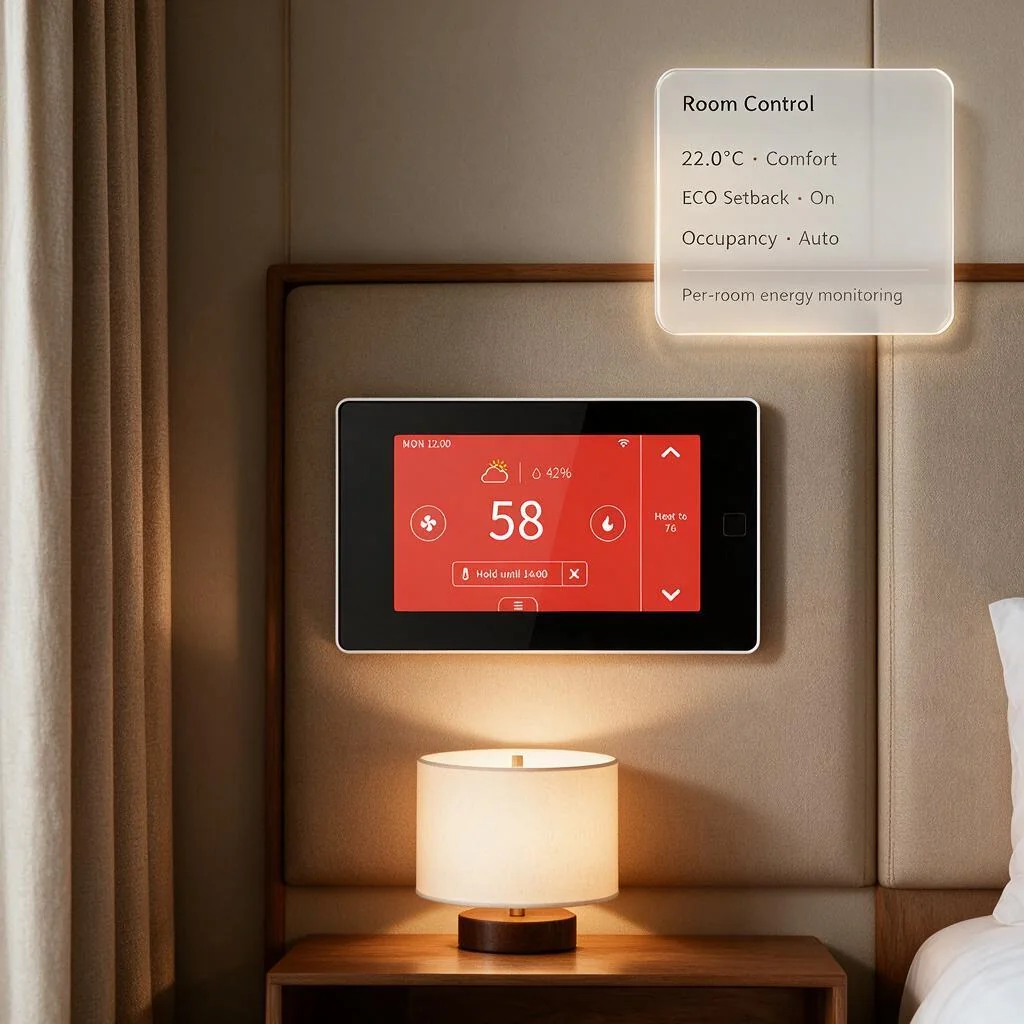
IoT Hardware for Hotel Room Energy Management Systems
An IoT hardware solution for hotel energy and HVAC management — per-room metering, occupancy sensing, thermostatic control and an open interface for your own platform.
Plug & Play Integration
Devices auto-discovered over MQTT, Modbus and ZigBee — commissioning is configuration, not wiring.
Local-First Option
Linkage and schedules run on your local network; MQTT and Modbus models keep the platform on-premise, while Tuya models report through Tuya cloud.
Retrofit-Ready
Battery and ZigBee devices need no new cabling; mains-powered units need a supply at the installation point.
Open Data Access
Server API (HTTP/JSON) and MQTT integration for third-party platforms, with exportable analytics.
OWON is a global IoT OEM/ODM manufacturer of smart energy meters, HVAC thermostats and ZigBee/WiFi devices. We supply the IoT hardware that hotel energy and HVAC management systems are built on: per-room metering, occupancy sensing, thermostatic and relay control, plus a device-level MQTT API. The dashboard, cloud server and mobile app are built by our integration partners.
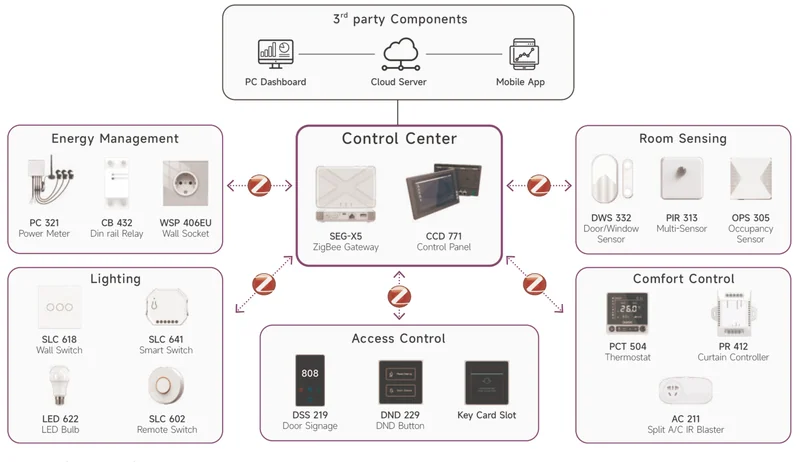
How Guest-Room Energy & HVAC Savings Happen
| Step | Product | What it does |
|---|---|---|
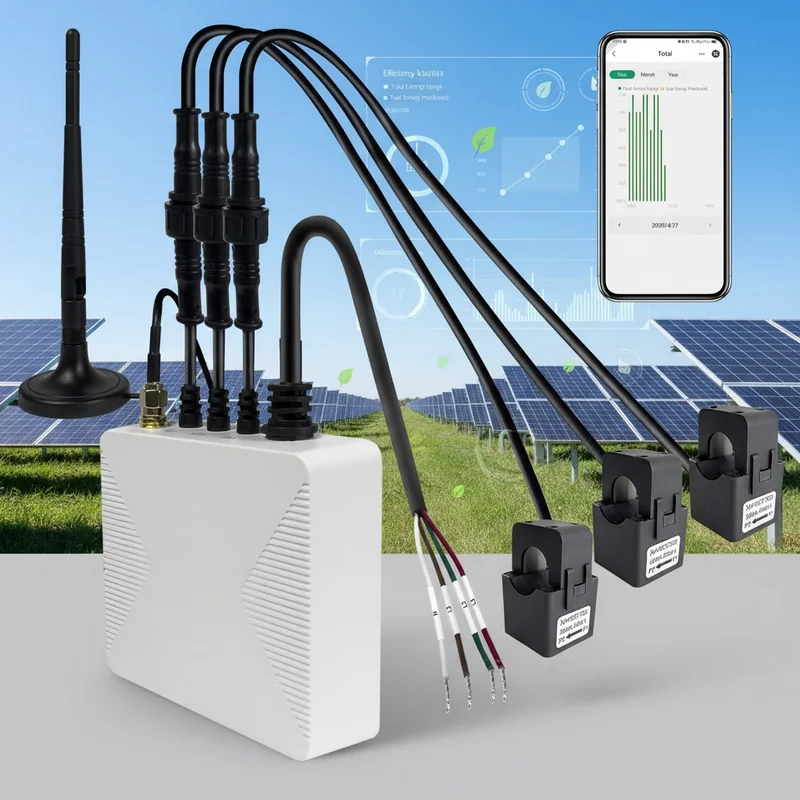
| Measure where energy goes | PC321 power meter | Per-room metering instead of one building-level bill |
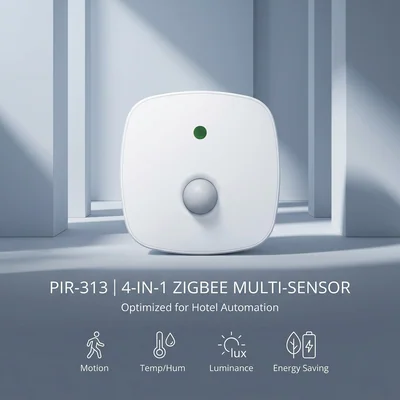
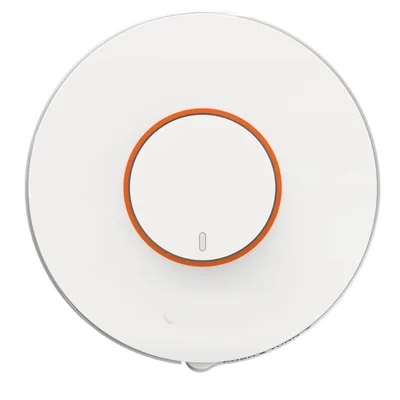
| Cut HVAC when the room is empty | OPS305 occupancy sensor | Occupancy state drives HVAC and lighting setbacks |
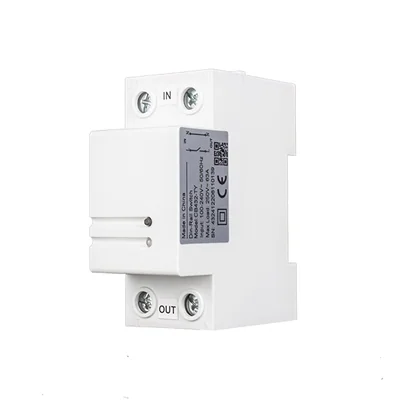
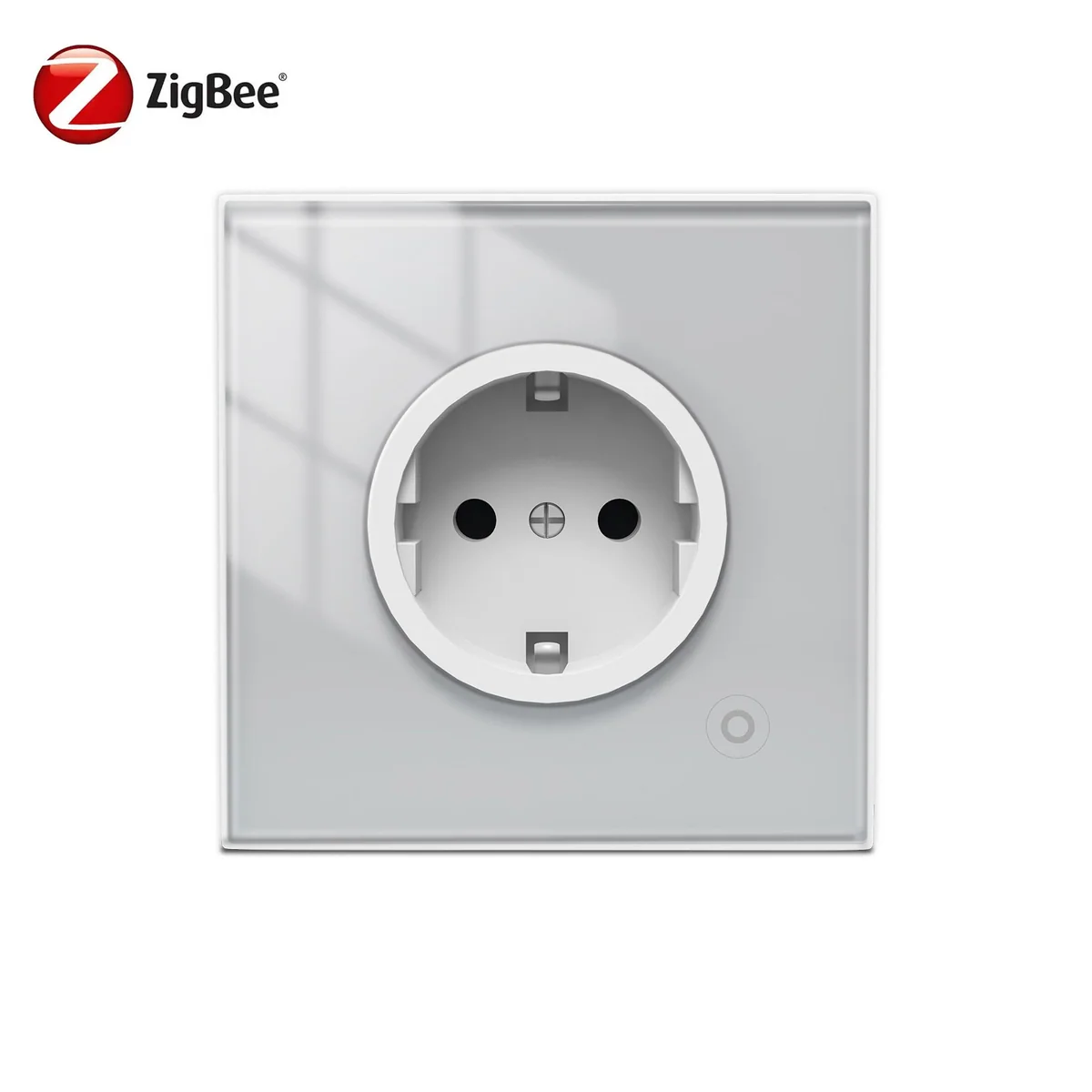
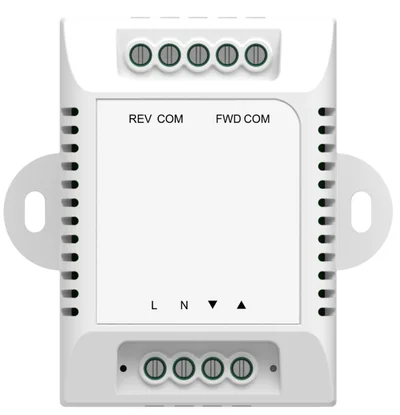
| Switch the loads | CB432 DIN-rail relay / WSP406 wall socket | Control HVAC, water heater and plug loads |
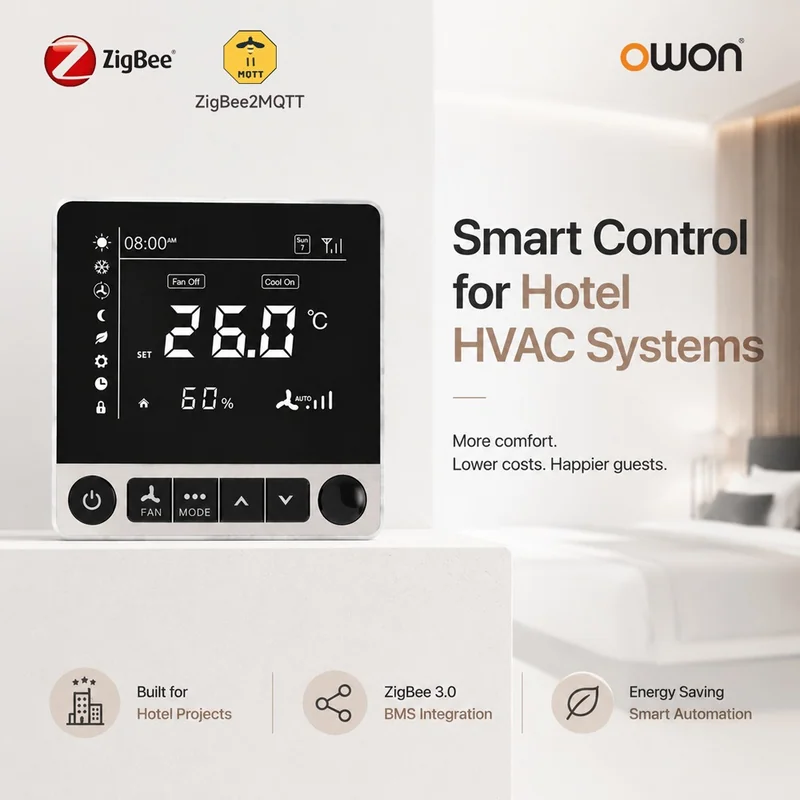
| Keep guests comfortable | PCT504 fan-coil thermostat | Setpoint and fan speed follow occupancy and schedule |
| Rooms without a wired fan coil | AC201 split A/C IR blaster / PR412 curtain controller | Split A/C and curtains still get scheduled control |
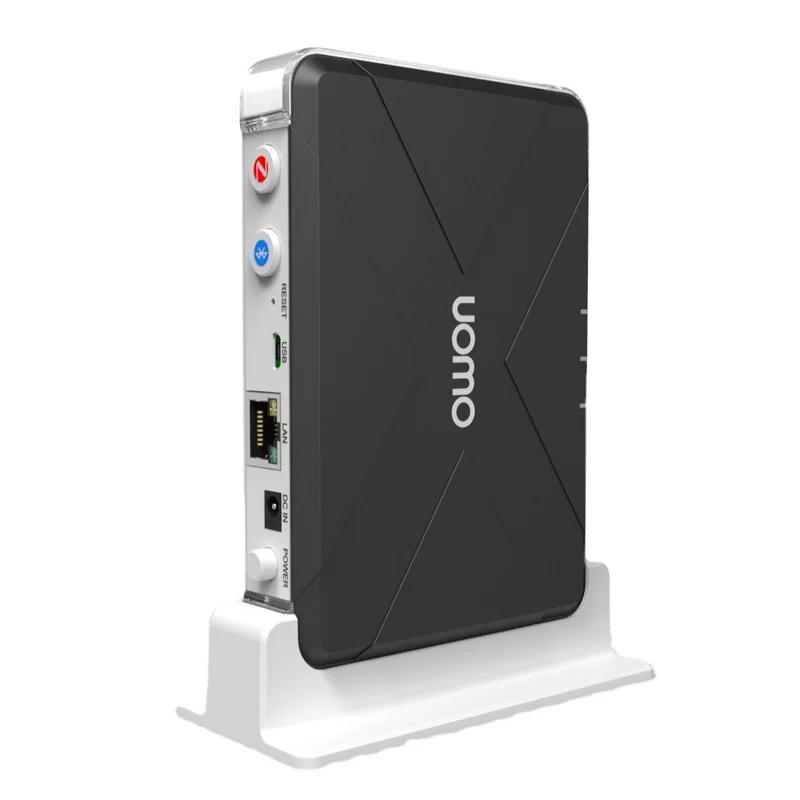
| See and prove the savings | SEG-X5 gateway + device-level MQTT API | Your platform reads meter and device state directly |
Three Ways to Integrate
| Route | What it means for you |
|---|---|
| 1 — OWON gateway → MQTT API → your dashboard | The gateway joins every room device and exposes it through a device-level MQTT API. Your platform reads and writes device state directly. |
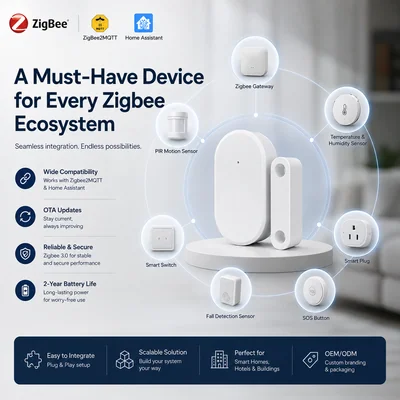
| 2 — OWON gateway → ZigBee clusters → your own gateway → on-premise platform | Keep everything on your own network. The devices expose standard ZigBee 3.0 clusters, so a third-party coordinator (for example Zigbee2MQTT) can drive them with no cloud in the path. |
| 3 — Standard ZigBee devices → a gateway you already run | Our devices follow the standard protocol, so they can join an existing ZigBee gateway. No vendor lock-in and no requirement to use our platform. |
Request and payload samples are on the developer center.
Two Deployment Shapes
| Shape | When it fits |
|---|---|
| Gateway + sub-devices | A whole property: one or more gateways aggregate every room device and hand them to your server. |
| Single devices | One specific job — a floor to meter, a room to control — connected through a gateway that is already there. |
Deployment Notes
Four things that decide whether a hotel rollout stays quiet after handover:
- Plan a mains-powered ZigBee repeater in every room. Battery sensors are the endpoints, not the mesh. A permanently powered device in the room — an in-wall relay or a smart socket — is what keeps that room's network stable.
- Keep firmware versions consistent across the property. Mixed versions are the most common cause of "it worked yesterday" service calls.
- Rate-limit high-frequency energy data. Continuous metering from many rooms will overload a gateway if every value is pushed at full rate; report on change or on a fixed interval instead.
- Pick the trigger device carefully in automation chains. Battery devices that rely on a cool-down timer can delay or drop rule firing — use a mains-powered device as the trigger.
Certifications
CE · FCC · RoHS · RED (EU Radio Equipment Directive)
FAQ
Which wireless technology should we use — ZigBee, LoRa or 4G? ZigBee for in-building work: it is a local mesh, so new nodes join an existing network and no subscription is needed. LoRa reaches kilometres and suits wide-area sites. 4G needs an IoT SIM per gateway and gets expensive as device counts grow. Most hotel projects here are ZigBee to the room and Ethernet, WiFi or 4G for the gateway uplink.
Can we keep the data on our own platform? Yes. The gateway exposes a device-level MQTT API, and the ZigBee devices also answer to a standard coordinator, so the dashboard, cloud and app can all be yours.
What happens when the server is unreachable? The gateway keeps controlling devices and running local logical interactions, so rooms continue to heat, cool and light without a server connection.
Can third-party devices join the same network? Yes — devices that follow the ZigBee 3.0 standard run on the same gateway, which matters over a building's life as equipment from other suppliers arrives.
Does a hotel need one gateway or many? It depends on room count, building layout and how much data you pull. Per-floor gateways are common in larger properties; a mains-powered repeater in each room keeps the mesh stable either way.
Do you supply the software too? No. OWON supplies devices and the interface layer. PMS, front-desk and billing software are built by our integration partners.
What We Do Not Provide
In this project the dashboard, cloud server and mobile app were built by the client. OWON supplies devices and the API layer — PMS, front-desk and billing software are built by our integration partners.
See how this hardware was deployed for a chain resort hotel: Guest Room Management System case study — requirements, device list and results.
Products Used in This Solution
The following OWON products are part of the IoT Hardware for Hotel Room Energy Management Systems solution stack.
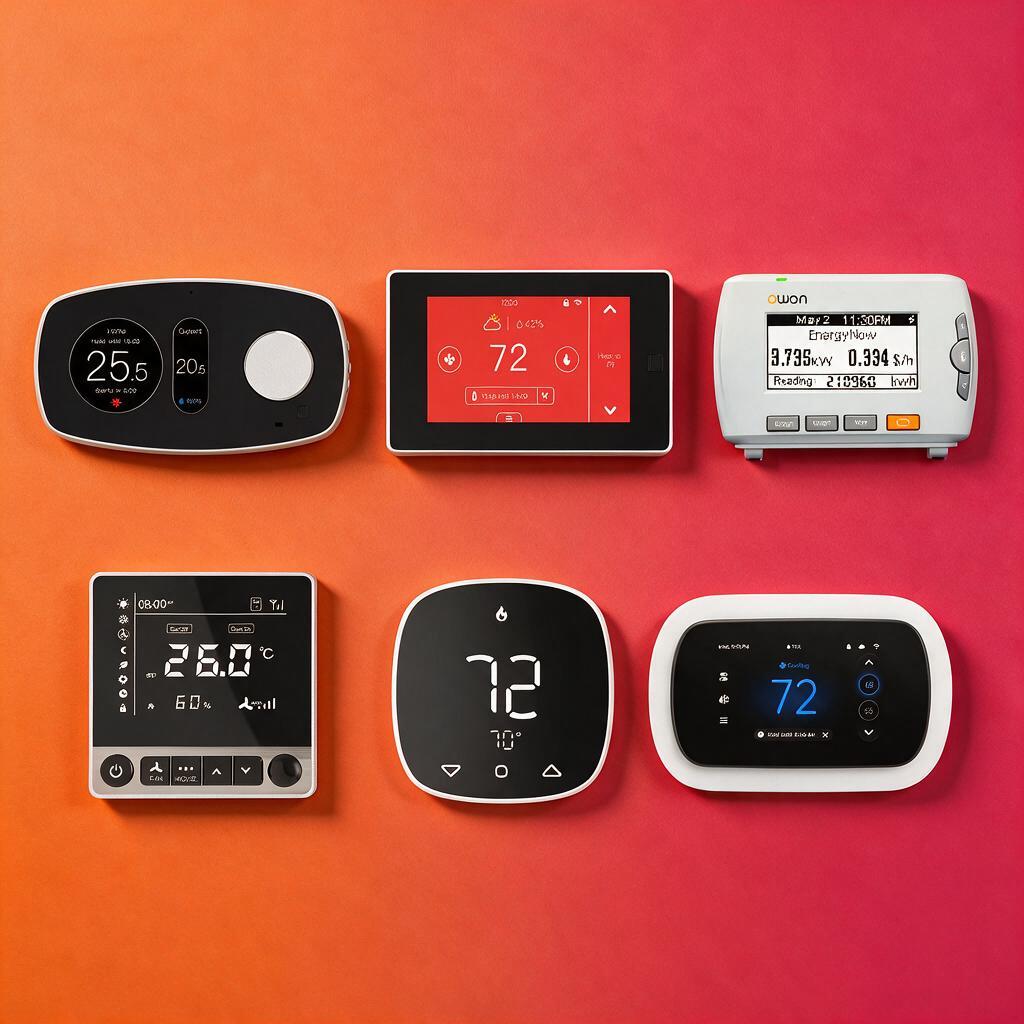
Thermostats
Related Case Studies
Real-world deployments and results from our customers.
Trusted Quality
CE Certified
Meets EU safety, health, and environmental requirements.
FCC Certified
Compliant with US Federal Communications Commission standards.
RoHS Compliant
Free of hazardous substances — environmentally responsible.
Interested in this solution?
Get a personalized demo, pricing, or download the full case study.
Our engineers usually reply within one business day.